

E-News - March 2026
Spotlight on Alliance Clinical Trials
Press Release
New Alliance Clinical Trial Aims to Improve Outcomes in Brain Tumors
Study will test if targeted therapy combined with chemotherapy after radiation therapy improves progression-free survival
March 16, 2026 – A new clinical trial led by the Alliance for Clinical Trials in Oncology will investigate if a combination of drug therapies after radiation therapy improves outcomes for people with newly-diagnosed, grade 3 IDH-mutant astrocytoma, a type of brain cancer. Supported in part by a grant from the National Cancer Institute, the study (Alliance A072301) will look at whether adding the oral medication vorasidenib to the standard oral chemotherapy can help keep the cancer from coming back after radiation.
People diagnosed with IDH-mutant, grade 3 astrocytoma usually receive surgery, followed by radiation and temozolomide, an oral chemotherapy pill. Temozolomide works by damaging the DNA of tumor cells so they can’t keep growing. However, the tumor is still prone to progression after treatment, especially if the patient has genetic mutations IDH1 or IDH2.
Vorasidenib is a newer, brain-penetrant, targeted medicine designed to block the proteins made by these mutated IDH genes. By shutting down this abnormal growth signal, researchers hope that adding vorasidenib can kill all the cancer cells. This trial will study whether combining vorasidenib with temozolomide works better than just temozolomide.
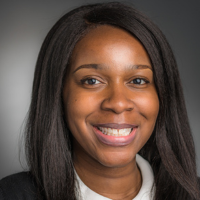 “IDH-mutant, grade 3 astrocytoma is a serious condition, and many of these tumors return even after aggressive, upfront treatment” said Ugonma Chukwueke, MD, MPH, Alliance study chair and a neuro-oncologist at the Dana-Farber Cancer Institute in Boston. “By adding a newer, targeted therapy aimed at the underlying IDH mutation, this study could help in identifying a more effective option for people with this type of brain cancer, which has been a long-standing unmet need in our field. If successful, vorasidenib could become the first widely used IDH‑targeted medicine added to standard care for this patient population.”
Participants in the study will be randomly assigned to one of two groups:
- Standard arm: Radiation therapy followed by temozolomide and placebo for 1 year, and then placebo alone.
- Intervention arm: Radiation therapy followed by temozolomide and vorasidenib for 1 year, and then vorasidenib alone.
All individuals in the trial will receive the usual follow‑up care, including MRI scans, routine blood tests and visits with their treatment team.
Researchers aim to understand several key outcomes in this study, including how long patients can remain stable without their tumor growing, a measure known as progression‑free survival. They will also evaluate overall survival, or how long patients live after receiving treatment, to understand the broader impact of adding vorasidenib to standard therapy. Another important focus is the safety and side‑effect profile of vorasidenib when used alongside temozolomide following radiation therapy, ensuring that the combination is both effective and tolerable for patients.
The study aims to recruit about 400 individuals over age 12 with newly diagnosed grade 3 astrocytoma at cancer centers across the United States.
For more information on Alliance A072301: Phase III trial of radiotherapy followed by adjuvant temozolomide in combination with the IDH inhibitor vorasidenib vs. placebo in IDH-mutated newly-diagnosed grade 3 astrocytomas, visit ClinicalTrials.gov.
###
The Alliance for Clinical Trials in Oncology is a national leader in advancing cancer research, uniting more than 25,000 cancer specialists at 115 main institutions and 1,400 affiliates across the U.S. and Canada. As part of the National Clinical Trials Network and a leading research base for the NCI Community Oncology Research Program, the Alliance conducts pioneering, practice-changing clinical trials that improve outcomes and reshape standards of care. Its work has led to multiple FDA approvals, influenced national guidelines, and produced hundreds of high-impact publications. More than 40,000 participants have taken part in Alliance studies, and its growing biospecimen repository now includes more than 1.5 million samples, collected over the past 30 years. Learn more at www.AllianceforClinicalTrialsinOncology.org.


